


Specialized Lenses to Help Slow Childhood Myopia
Myopia, also known as nearsightedness, causes distant objects to appear blurry. In children, it can progress as the eyes grow, leading to increasingly strong prescriptions and a greater risk of certain eye conditions later in life.
Standard glasses and contact lenses correct blurry vision, but they do not necessarily slow the progression of myopia. Specially designed myopia management lenses offer another approach, helping children see clearly while aiming to slow changes in their developing eyes.
At Davis EyeCare, we offer individualized myopia management options for children, including specialized spectacle lenses, multifocal contact lenses and orthokeratology. We consider your child’s prescription, age, eye health and lifestyle when discussing which approach may be most suitable.
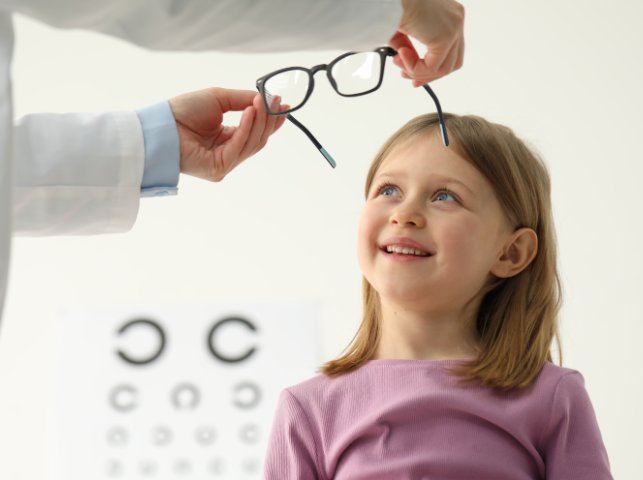

Essilor Stellest Lenses: FDA-Authorized Myopia Management Glasses
For children who need glasses, Stellest lenses offer a spectacle-based option designed to slow myopia progression while correcting nearsightedness. They use Highly Aspherical Lenslet Target (H.A.L.T.) technology, which combines a vision correction zone with specially designed lenslets intended to help manage myopia progression.
In September 2025, the U.S. Food and Drug Administration (FDA) authorized Stellest as the first spectacle lens in the United States specifically authorized to slow the progression of childhood myopia. In the clinical study supporting authorization, children aged 6 to 12 at the start of treatment experienced an average 71% reduction in myopia progression over two years compared with children wearing standard single-vision lenses. Individual results can vary.
Stellest is indicated for children who meet specific age and prescription criteria. A comprehensive eye examination is needed to determine whether these lenses are appropriate for your child.
Could Stellest Lenses Be Right for Your Child?
Stellest may be worth discussing if your child:
- Has myopia that is progressing as they grow.
- Needs glasses to correct distance vision.
- Would prefer a spectacle-based approach rather than contact lenses.
- Meets the prescription and age criteria for treatment.
Our team can assess your child’s vision and explain whether Stellest or another myopia management option may be appropriate.
Myopia Control with Multifocal Contact Lenses
Specially designed soft multifocal contact lenses can correct vision while helping to slow myopia progression in children. Unlike standard contact lenses, these lenses use different optical zones to provide clear vision while creating a visual signal intended to influence eye growth.
For suitable children, multifocal contact lenses can be an effective option. Lens selection, safe handling, wearing time and regular follow-up all matter, so treatment needs to be tailored to the individual.
At Davis EyeCare, we can assess your child’s suitability for myopia control contact lenses and monitor their vision and eye health throughout treatment.


Orthokeratology: Overnight Lenses for Myopia Management
Orthokeratology, also known as Ortho-K or corneal reshaping therapy, uses specially designed rigid contact lenses worn overnight. These lenses gently reshape the surface of the cornea temporarily, allowing many suitable patients to see clearly during the day without glasses or contact lenses.
Ortho-K can also help slow myopia progression in children. However, it requires careful fitting, consistent lens care and regular professional monitoring. Overnight contact lens wear is not suitable for every child, so an assessment is essential before starting treatment.
Our contact lens specialists, led by Dr. Robert Davis, can discuss whether orthokeratology is appropriate for your child and explain the responsibilities involved.
Choosing the Right Myopia Management Option
There is no single treatment that suits every child. The most appropriate option depends on several factors, including:
- Your child’s age and current prescription.
- How quickly their myopia is progressing.
- Their general eye health and suitability for different treatments.
- Whether they prefer glasses or are comfortable wearing contact lenses.
- Your family’s preferences and ability to follow the recommended treatment routine.
In some cases, low-dose atropine eye drops may also be considered as part of a myopia management plan. Dr. Davis will explain the potential benefits, limitations and considerations of the available options so you can make an informed decision together.


Why Choose Davis EyeCare for Myopia Management?
Davis EyeCare provides specialized eye care for children and families in Oak Lawn, Orland Park and the wider Chicago area. Our approach combines thorough examinations with treatment options selected around each child’s individual needs.
We understand that parents want to know not only whether their child’s vision can be corrected, but also what can be done to help manage myopia as they grow. We take time to explain the options, answer questions and monitor progress throughout treatment.
Whether you are interested in Stellest spectacle lenses, myopia control contact lenses, orthokeratology or other treatment options, we can help you understand the next steps.
Frequently Asked Questions
What are Stellest lenses?
Stellest lenses are specially designed spectacle lenses that correct nearsightedness and are intended to slow myopia progression in eligible children. They use H.A.L.T. technology to provide an optical signal designed to help manage eye growth.
Are Stellest lenses FDA-authorized?
Yes. In September 2025, the FDA authorized Stellest for correcting myopia and slowing its progression in eligible children. They were the first spectacle lenses authorized by the FDA specifically for slowing childhood myopia progression in the United States.
What age are Stellest lenses suitable for?
The FDA-authorised indication covers children aged 6 to 12 at the start of treatment, with specified prescription criteria. An eye care professional must assess whether a child meets the criteria.
Are Stellest lenses the only option for myopia management?
No. Other approaches include specialised multifocal contact lenses, orthokeratology and, where appropriate, low-dose atropine eye drops. The best option depends on the child’s individual circumstances.
Can myopia management stop my child's prescription from increasing?
Treatment aims to slow myopia progression, but it cannot guarantee that a child’s prescription will remain unchanged. Regular examinations help monitor progress and determine whether the treatment plan needs to be adjusted.
How do I find out which treatment is best for my child?
Arrange a comprehensive eye examination with Davis EyeCare. We can assess your child’s prescription and eye health, discuss suitable treatment options and recommend an individualised approach to myopia management.